
What Is Included in a White Water Rafting Tour in Manuel Antonio?
What Makes Rafting Different From Other Manuel Antonio Adventures?
Manuel Antonio is well known for beaches, national park scenery, wildlife, and water activities.
Rafting provides something different.
Instead of staying along the coastline, you travel inland and experience the rivers and mountainous landscape surrounding the region.
It combines physical activity, nature, teamwork, and adventure.
For travelers who want more than a beach day, white water rafting can add a completely different dimension to a Costa Rica vacation.
What Is Usually Not Included?
Knowing what isn’t included can be just as important as knowing what is.
Depending on the tour, the following may not be included:
- Personal expenses
- Alcoholic beverages
- Extra snacks or drinks
- Photos or videos
- Gratuities
- Personal travel insurance
- Certain pickup locations
Don’t assume that every advertised rafting tour includes the same extras.
When comparing white water rafting Manuel Antonio Costa Rica options, look beyond the headline price and check the complete list of inclusions.
A slightly different price can reflect differences in transportation, meals, equipment, river length, group size, or overall itinerary.
Is Rafting Suitable for First-Time Visitors?
Yes, many travelers who participate in rafting are experiencing the activity for the first time.
You don’t need to arrive as an experienced paddler.
The guide provides instructions before the trip and continues communicating with the group throughout the river journey.
However, rafting is an active outdoor adventure. Participants should be comfortable getting wet, following instructions, paddling, and spending time outdoors.
The difficulty of the experience also depends on the river and current conditions.
If you’re a beginner, ask about the specific river, rapid classifications, minimum age requirements, physical requirements, and seasonal conditions before booking.
Choosing the Right Rafting Tour
Not every rafting experience around Manuel Antonio is identical.
When comparing tours, consider the following:
River
Find out which river you will be rafting. Different rivers can provide different experiences depending on their geography, rapids, scenery, and seasonal water levels.
Duration
Check the total tour duration as well as the approximate time spent on the river.
Transportation
Confirm whether pickup and return transportation are included from your Manuel Antonio or Quepos accommodation.
Meals
Ask whether breakfast, snacks, lunch, or drinks are included.
Equipment
Make sure the tour provides the required rafting equipment, including the appropriate safety gear.
Difficulty
Ask about the expected rapid classifications and whether the trip is appropriate for your experience level.
Group Size
Smaller and larger rafting groups can provide different experiences. Ask how many people typically share a raft.
Snacks and Refreshments
Food and drinks vary considerably between rafting tours.
Some quepos white water rafting tours include snacks, fruit, water, or other refreshments during the excursion.
Longer rafting trips may also include a meal.
Because food is not necessarily included with every tour, it is worth confirming what is provided before your trip.
If you have dietary restrictions or food allergies, communicate them in advance.
You may also want to bring additional water if permitted by the tour provider, particularly during warmer months.
Lunch on Longer Rafting Trips
Full-day rafting excursions may include lunch as part of the itinerary.
A typical lunch may feature Costa Rican-style food such as rice, beans, vegetables, salad, chicken, fruit, or other local dishes.
The exact meal depends on the tour.
Eating lunch during a rafting day can also be a relaxing break after spending time on the river.
If your tour includes lunch, check whether it is served at a restaurant, riverside location, or another designated stop.
Transportation Back to Manuel Antonio
After completing the rafting portion of the adventure, transportation is generally part of the return journey when hotel pickup is included.
You’ll have time to relax and enjoy the scenery while traveling back toward Quepos and Manuel Antonio.
This is another reason to check the complete tour itinerary before booking. A rafting trip can take most of the day when transportation and preparation time are included.
Planning your schedule around the entire excursion rather than only the river portion helps avoid conflicts with other activities.
What You Usually Need to Bring
Even when most of the necessary rafting equipment is included, travelers should normally bring a few personal items.
Common recommendations include:
- Swimsuit
- Quick-drying shorts or clothing
- Secure water shoes or athletic shoes
- Sunscreen
- Insect repellent
- Towel
- Change of dry clothes
- Waterproof protection for personal items
- Sunglasses with a secure strap
- Any necessary personal medications
Avoid bringing valuables that you do not need during the rafting portion of the trip.
Your guide or tour staff can explain where personal belongings can be stored while you are on the river.
Time on the River
One of the biggest questions travelers have is how much time they actually spend rafting.
The answer depends on the specific itinerary.
A rafting excursion can include considerably more than the time spent paddling. Your overall tour may include transportation, preparation, safety instructions, launching the raft, river sections, breaks, and returning to your hotel.
The actual time on the river varies depending on the river selected, water conditions, route, and tour schedule.
This is why it is important to look at the complete itinerary rather than assuming that a tour advertised as a certain number of hours means that you will spend that entire time actively paddling.
Beautiful Rainforest Scenery
Although the main reason people book rafting is the adventure, the scenery is another major part of the experience.
Rivers in the Manuel Antonio and Quepos region can take you through areas surrounded by tropical vegetation, hills, forests, and rural landscapes.
As you travel downstream, you may see sections of rainforest that are difficult to experience from the main roads.
This makes rafting an interesting combination of adventure and nature.
Instead of viewing Costa Rica’s landscape from a vehicle or walking trail, you experience it from the middle of a river.
Wildlife Viewing Opportunities
Costa Rica is famous for its biodiversity, and rafting provides opportunities to observe wildlife in a natural environment.
Depending on the river and conditions, travelers may see birds, reptiles, monkeys, and other animals along the riverbanks.
However, wildlife sightings are never guaranteed.
Animals move freely through the forest, and river conditions can make it difficult to stop and observe them. Your primary focus during sections of white water will also be following your guide’s instructions and navigating the rapids.
If wildlife is an important part of your vacation, consider rafting as an opportunity to experience the surrounding environment rather than booking the tour specifically for guaranteed animal sightings.
Swimming or River Breaks
Some rafting itineraries include breaks during the trip.
Depending on the river, conditions, and guide, there may be opportunities to get out of the raft, rest, or enjoy the water.
Some trips may include swimming areas or calm sections where participants can cool off.
However, this is not necessarily included on every itinerary.
River conditions can change, and guides determine what activities are appropriate based on current conditions. Never enter the river outside designated or guide-approved areas.
Safety Equipment
Safety equipment is an essential part of a guided rafting excursion.
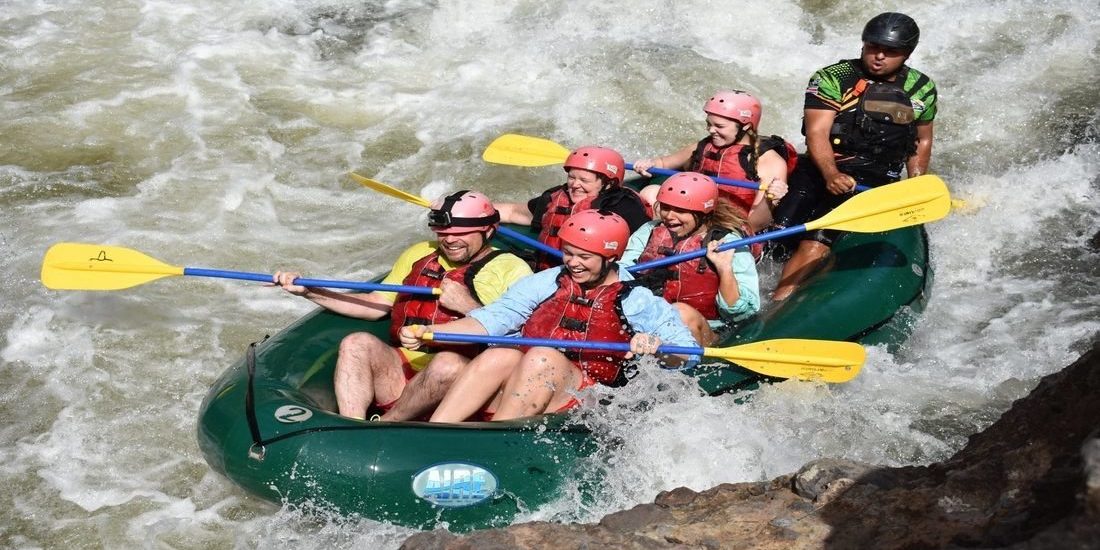
A typical rafting trip provides the equipment necessary for participants to safely participate in the activity. This commonly includes a personal flotation device and a helmet.
The guide or rafting staff should explain how to properly wear and adjust the equipment before entering the river.
A properly fitted life jacket is particularly important because it provides flotation if you unexpectedly enter the water.
Helmets are also commonly used because rivers can contain rocks, branches, and other obstacles.
You should always follow the guide’s instructions regarding safety equipment throughout the entire rafting trip.
The Raft and Paddles
The rafting equipment itself is also part of the tour.
Participants generally share an inflatable white water raft designed to carry multiple people. Everyone works together to paddle and help move the raft through the river.
Paddles are provided as well.
Unlike activities where you simply sit back and watch, rafting is usually interactive. The guide gives instructions while everyone works as a team.
This is part of what makes rafting different from a typical sightseeing excursion.
You aren’t simply traveling down the river. You are actively participating in the journey.
A Safety and Paddling Briefing
Before the rafting begins, there is normally an orientation or safety briefing.
This is especially useful for beginners.
The guide will explain what to expect from the river and demonstrate basic paddling techniques. You may also learn specific commands that the guide will use during the trip.
For example, your guide may give instructions telling the group when to paddle harder, slow down, or stop.
Learning these commands before entering the water helps everyone understand their role once the raft reaches faster-moving sections.
The briefing also gives you an opportunity to ask questions.
If this is your first rafting experience, don’t be afraid to tell your guide. Understanding the instructions before getting on the river can make the experience much more comfortable.
Transportation to the River
One of the most important things included with many rafting tours is transportation from the Manuel Antonio or Quepos area to the river.
The rivers used for rafting are not directly in Manuel Antonio, so transportation is often part of the experience. Depending on the itinerary, the drive can take you away from the coastal area and into more rural parts of Costa Rica.
This journey can be an experience in itself.
As you leave Manuel Antonio and Quepos, the scenery gradually changes from beaches, hotels, and coastal roads to farmland, mountains, forests, and small communities. It gives you a chance to see a different side of the region before reaching the river.
When comparing quepos white water rafting tours, check whether transportation is included in the advertised price and where the pickup area begins.
Some tours may include pickup from hotels in Manuel Antonio and Quepos, while others may have designated meeting points.
Professional River Guides
A professional rafting guide is another important part of the experience.
You don’t need to know how to navigate a river before joining a guided rafting tour. The guides are responsible for explaining how the raft works, teaching basic paddling techniques, communicating commands, and helping the group navigate the river.
Before getting into the water, your guide will typically explain important instructions.
These may include:
- How to hold the paddle
- Where to sit in the raft
- How to paddle forward
- How to stop or slow down
- How to respond to commands
- What to do when approaching rapids
- What to do if someone falls into the water
- General river safety procedures
The instructions are particularly important for first-time rafters.
Even if you have never been white water rafting before, you can learn the basic techniques before the adventure begins.
If you are planning an adventure during your Costa Rica vacation, a rafting trip is one of the ways to experience the country’s rivers, rainforest, and wildlife in a single day. But before booking, many travelers want to know exactly what they are paying for.
What is included in a rafting tour? Do you receive all the necessary equipment? Is transportation included? Are meals provided? How much time do you actually spend on the river?
If you are researching white water rafting Manuel Antonio Costa Rica, understanding what a typical tour includes can make it much easier to plan your day.
Most rafting excursions departing from the Manuel Antonio and Quepos area are organized as guided adventures. While exact inclusions vary depending on the river, itinerary, and tour provider, many trips include transportation, professional guides, rafting equipment, safety instructions, river access, and sometimes meals or snacks.