Half Day White Water Rafting Naranjo River Quepos Costa Rica

Naranjo Rafting

If you are visiting Quepos or Manuel Antonio and looking for an exciting outdoor adventure, a half-day white water rafting trip on the Lower Naranjo River is an excellent way to experience the natural beauty and adrenaline of Costa Rica’s Central Pacific region.

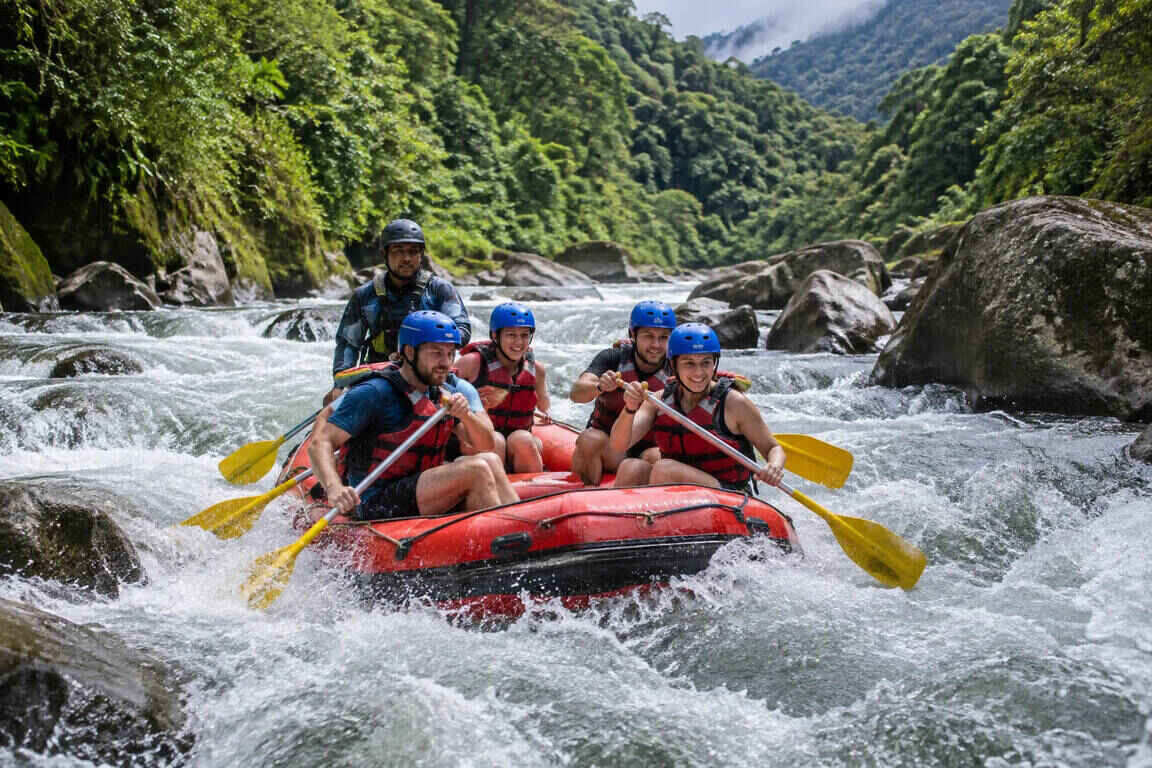
The Lower Naranjo River offers an exciting rafting experience featuring continuous rapids, powerful currents, refreshing splashes, and beautiful tropical scenery. Surrounded by green mountains, lush vegetation, and the picturesque Costa Rican countryside, this adventure combines outdoor exploration with the excitement of navigating moving water.

Unlike a relaxing river float, white water rafting on the Lower Naranjo is an active experience where participants work together as a team, follow their professional guide’s instructions, and paddle through a succession of exciting rapids.

One of the biggest advantages of this adventure is its convenient location near Quepos and Manuel Antonio. Visitors staying along the Central Pacific coast can enjoy an exciting river excursion without spending an entire day traveling to a distant rafting destination.

Whether you are an adventurous couple, a group of friends, or a traveler looking to experience something different during your Costa Rica vacation, the Lower Naranjo River provides an unforgettable half-day adventure.

Discover the Lower Naranjo River in Quepos, Costa Rica

The Naranjo River is one of the most recognized white water rafting rivers in the Central Pacific region of Costa Rica. Originating in the mountainous interior, it flows through rural landscapes and tropical countryside before reaching the Pacific Ocean near the Quepos area.

The Lower Naranjo section is particularly popular with visitors because it combines exciting white water with a convenient location close to Manuel Antonio.

This section of the river is known for its Class III and IV rapids, offering an adventurous experience that requires active paddling, coordination, and teamwork.

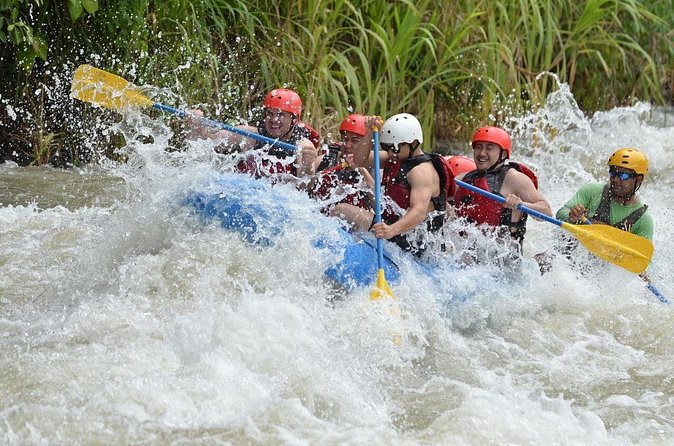
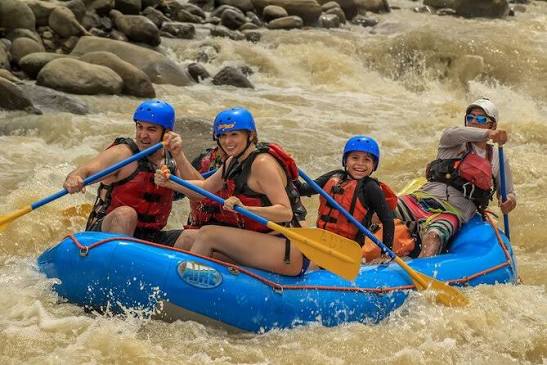
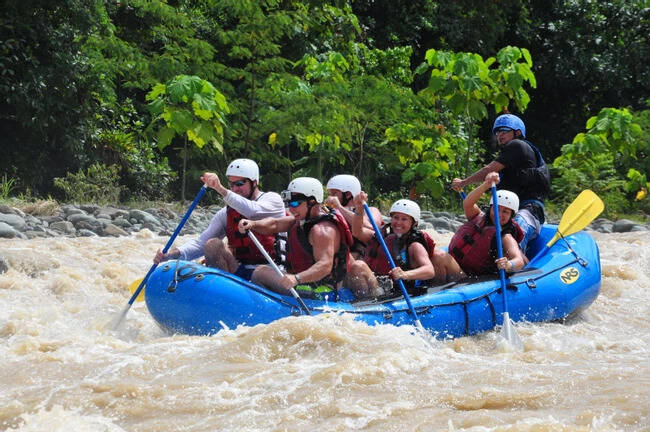
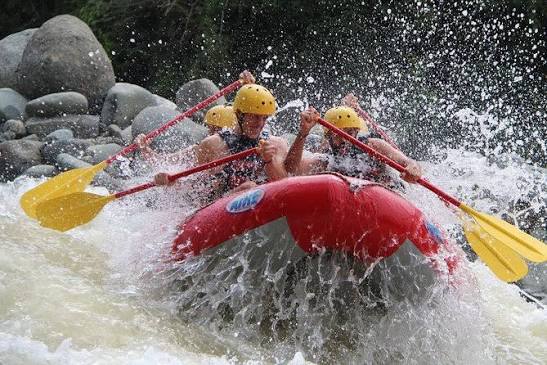
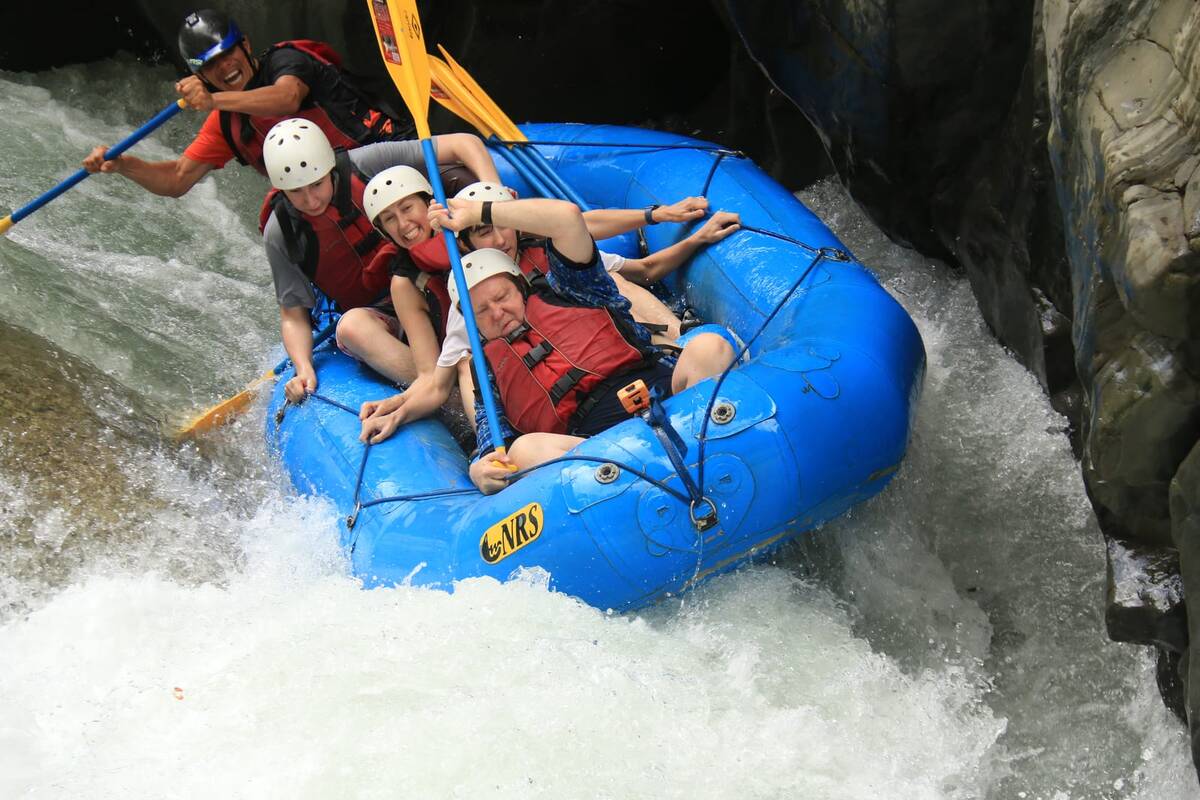
As the raft travels downstream, participants encounter changing currents, waves, rocky passages, and exciting drops. Some rapids create impressive splashes, while others require the group to paddle together and follow the guide’s commands to navigate safely.

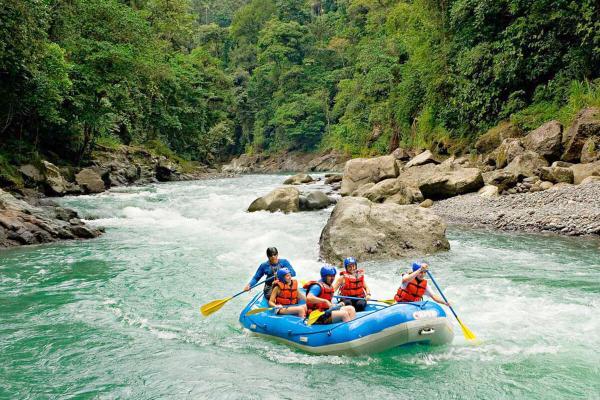
The river also provides a beautiful natural setting. Tropical vegetation, green hillsides, rocky riverbanks, and rural landscapes create a memorable backdrop throughout the excursion.

For visitors who want to experience more of Costa Rica than its famous beaches and national parks, rafting the Lower Naranjo is a fantastic opportunity to explore the region’s natural environment.

half day white water rafting naranjo river quepos costa rica

What Makes Lower Naranjo River Rafting Special?

There are several reasons why the Lower Naranjo River is a popular destination for white water rafting near Manuel Antonio and Quepos.

Exciting Class III and IV rapids: The river offers a combination of intermediate and challenging white water, making the descent an active and entertaining experience.

Convenient location: The rafting area is accessible from Manuel Antonio, Quepos, and surrounding coastal communities.

Tropical scenery: The river passes through beautiful countryside, with green mountains, tropical vegetation, and natural river formations.

Teamwork and adventure: Participants actively paddle together, making the experience enjoyable for groups of friends, couples, and adventurous travelers.

Half-day excursion: The activity allows visitors to enjoy a memorable rafting experience while leaving time for other vacation activities.

Professional guidance: Experienced rafting guides lead the descent, explain the safety procedures, and help participants navigate the rapids.

The combination of accessibility, scenery, and exciting white water makes the Lower Naranjo one of the most attractive rafting options for visitors exploring Costa Rica’s Central Pacific coast.

half day white water rafting naranjo river quepos costa rica

The Lower Naranjo River Rafting Experience: What Makes It Exciting?

The Lower Naranjo River is known for its exciting combination of continuous rapids, fast-moving water, and beautiful tropical surroundings. It is an excellent choice for visitors who want an active rafting adventure rather than a slow, relaxing river excursion.

The rafting route covers approximately 6 miles (10 kilometers) of river, depending on the route and water conditions. Along the way, participants encounter a variety of rapids that make the descent exciting from beginning to end.

Some sections feature fast-moving currents and smaller waves, while others offer larger splashes, drops, and technical passages that require coordinated paddling.

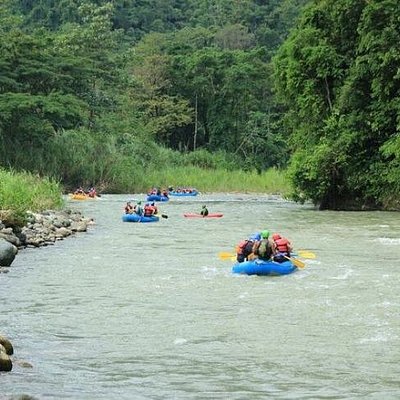
One of the most enjoyable aspects of the experience is the changing rhythm of the river. You might be navigating a powerful rapid one moment and enjoying a calmer stretch of water a few minutes later.

These calmer sections provide opportunities to catch your breath, listen to the guide, appreciate the scenery, and prepare for the next series of rapids.

The river’s natural layout also creates an interesting combination of narrow passages, open stretches, rocky formations, and jungle-covered riverbanks.

For adventure lovers, this combination makes the Lower Naranjo an exciting rafting destination near Manuel Antonio.

half day white water rafting naranjo river quepos costa rica

Class III and IV Rapids: Understanding the Difficulty

The Lower Naranjo River is generally classified as Class III and IV white water, although the actual difficulty changes with rainfall and water levels.

These classifications help visitors understand what type of rafting experience to expect.

Class III Rapids – Intermediate White Water

Class III rapids feature moderate to powerful waves, irregular currents, and obstacles that require maneuvering.

During these sections, the raft may move through rolling waves, small drops, and changing currents. Participants must listen to their guide and paddle together when instructed.

Class III rapids are exciting without necessarily requiring extensive previous rafting experience. They are often suitable for adventurous beginners who are physically fit and comfortable in moving water.

Class IV Rapids – Difficult White Water

Class IV rapids are more challenging and feature stronger currents, larger waves, technical passages, and obstacles that require precise navigation.

These sections demand teamwork and concentration. Everyone in the raft must follow the guide’s commands and coordinate their paddling.

Depending on river conditions, some rapids may feel considerably more powerful than others.

Why Water Levels Matter

The Naranjo River is a natural, rain-fed river, meaning its water levels change throughout the year.

After rainfall, the river can become faster and more powerful, increasing the intensity of certain rapids. During periods of lower water, some sections may become more technical, with exposed rocks and narrower channels.

Professional guides evaluate the river before each departure and determine whether conditions are suitable for rafting.

This changing character is part of what makes the Lower Naranjo an exciting destination for white water enthusiasts.

half day white water rafting naranjo river quepos costa rica

What Happens During the Half-Day Rafting Tour?

A typical half-day excursion takes approximately four hours from pickup to return, although the exact schedule depends on transportation, river conditions, and the departure time.

The experience is organized so visitors can enjoy the rafting adventure without having to arrange transportation, equipment, or river access independently.

Hotel Pickup and Transportation

The adventure generally begins with pickup from your hotel, villa, or vacation rental in Manuel Antonio or Quepos.

After meeting the guides, you travel toward the river through the countryside surrounding Quepos.

The drive takes approximately 30 to 45 minutes, depending on your pickup location and road conditions.

Along the way, you will pass through small Costa Rican communities, agricultural areas, tropical vegetation, and beautiful green hillsides.

Eventually, you reach the river access area, where the rafting team prepares the equipment and organizes the group.

half day white water rafting naranjo river quepos costa rica

Meeting the Guides and Preparing for the Adventure

Upon arrival, you meet the guides who will accompany you throughout the rafting experience.

They explain the route, discuss the river conditions, and provide important instructions before everyone enters the water.

This is also the time to ask questions about paddling, safety procedures, and what to expect during the descent.

The guides are familiar with the river and understand how its different sections behave under changing water conditions.

Safety Briefing and Equipment

Before getting into the raft, every participant receives a safety orientation.

The briefing covers the basic techniques and commands needed to navigate the river.

You will learn how to:

  • Hold your paddle correctly. 
  • Paddle forward and backward. 
  • Stop paddling when instructed. 
  • Follow the guide’s commands. 
  • Maintain your position inside the raft. 
  • Respond if you fall into the water. 
  • Work together with the other participants. 

Each participant receives a properly fitted helmet, personal flotation device, and rafting paddle.

The guides check the equipment and make sure everyone understands the basic safety procedures before departure.

half day white water rafting naranjo river quepos costa rica

Entering the River and Beginning the Descent

Once the group is ready, the raft enters the Lower Naranjo River and the adventure begins.

The guides position everyone inside the raft and provide instructions as the group moves downstream.

The first rapids are an opportunity to become familiar with the movement of the raft and practice paddling as a team.

As the descent continues, the river becomes increasingly exciting, with waves, currents, and changing water formations creating a succession of challenges.

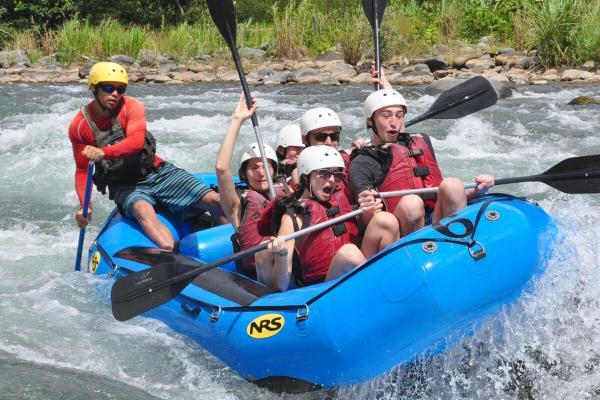
Everyone has an important role. The guide directs the raft while participants paddle together to maintain control and navigate the rapids.

The experience is interactive, energetic, and filled with memorable moments.

Navigating the Rapids

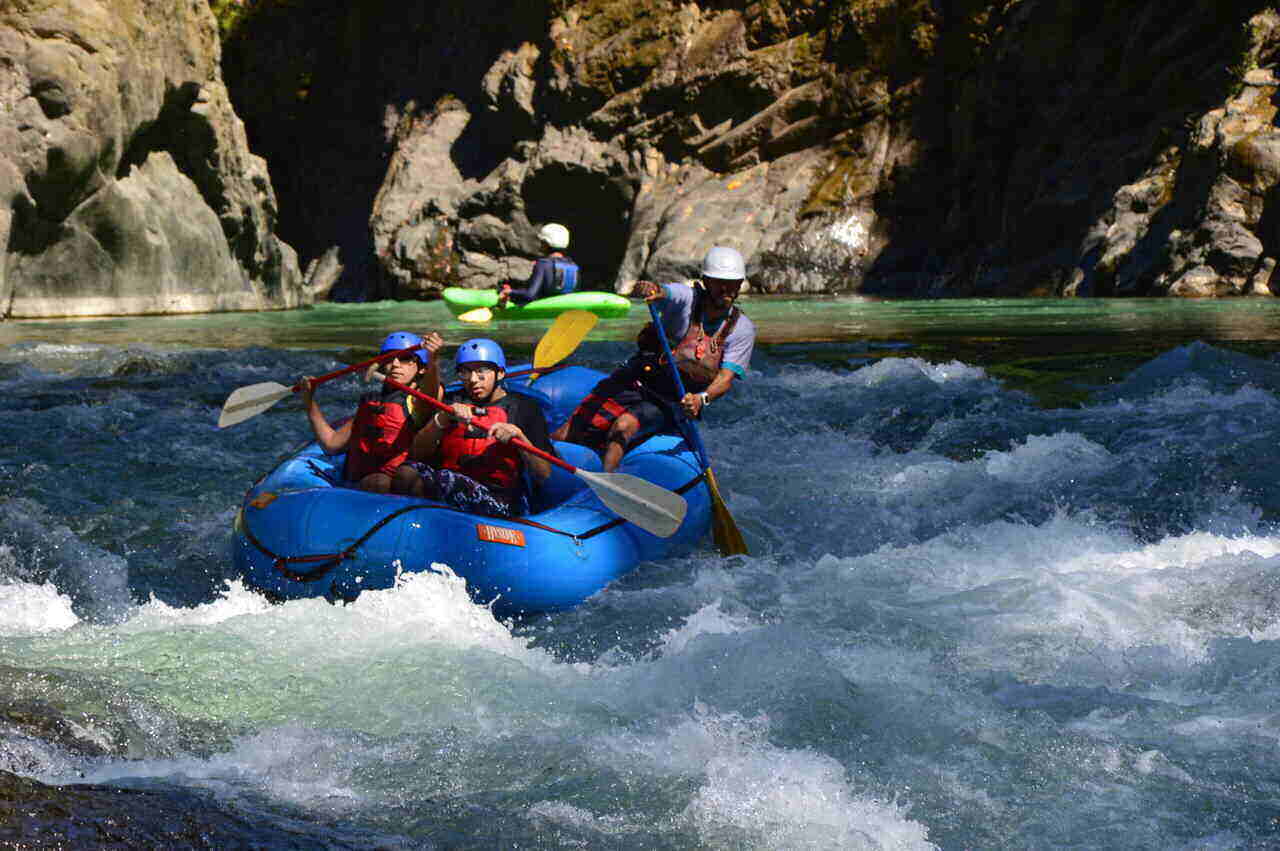
The most exciting part of the trip is navigating the different Class III and IV rapids.

Some sections require strong forward paddling, while others demand quick reactions and precise coordination.

When approaching a rapid, the guide communicates instructions so everyone knows when to paddle and how to position themselves.

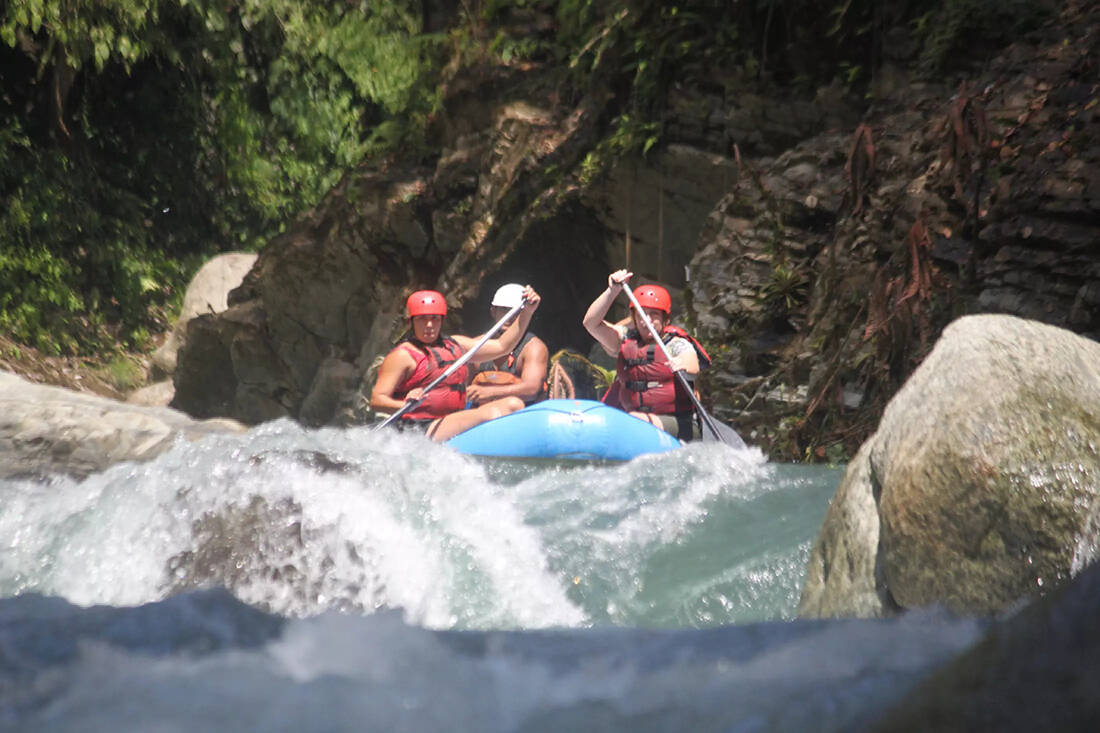
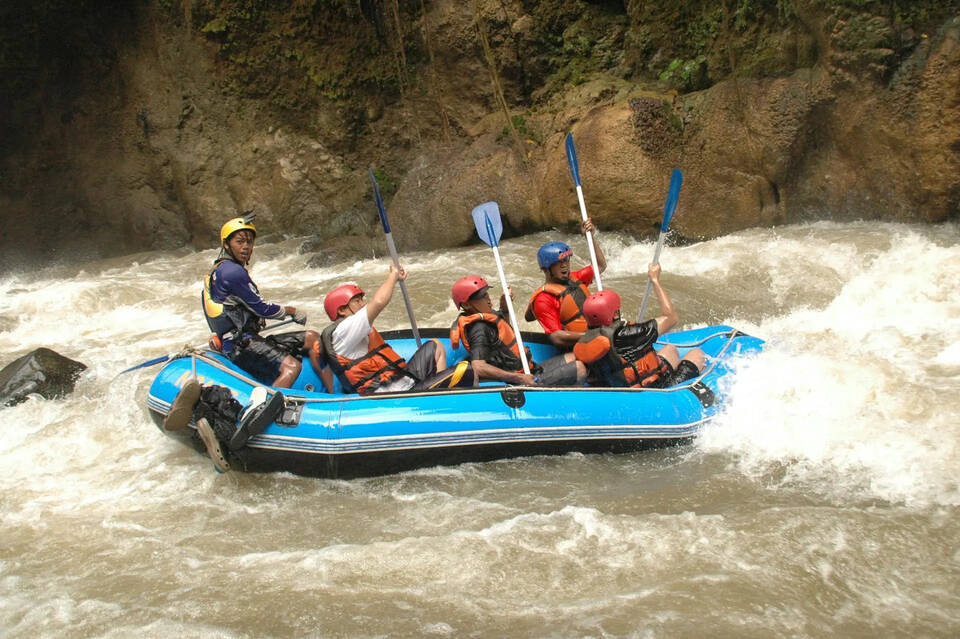
The raft may climb over waves, move through powerful currents, and pass between rocky formations.

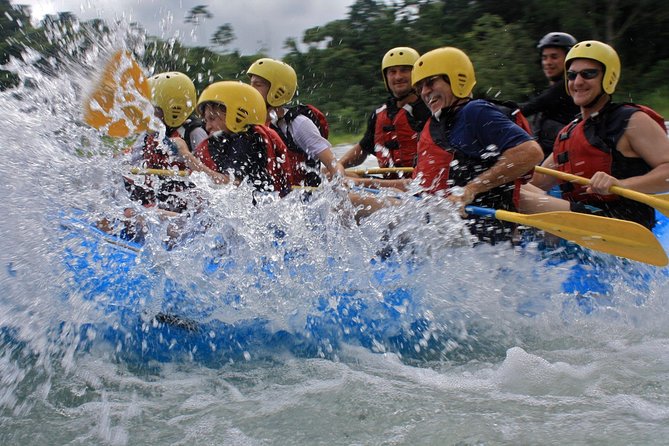
It is normal to get completely soaked during the experience. Water frequently splashes over the sides of the raft, adding to the excitement.

Between rapids, calmer sections allow participants to relax briefly, enjoy the surroundings, and prepare for the next challenge.

half day white water rafting naranjo river quepos costa rica

Enjoying the Natural Surroundings

Although the rapids are the main attraction, the beautiful scenery is another highlight.

The Lower Naranjo River passes through a tropical environment with lush vegetation, green hills, rocky riverbanks, and agricultural landscapes.

You may also see tropical birds, iguanas, butterflies, and other wildlife along the river.

The guides can share information about the surrounding environment and local landscape, adding an educational element to the adventure.

Refreshment Break

Depending on the departure and package arrangements, a refreshment break may be included during or after the rafting experience.

Fresh tropical fruit, water, and other light snacks provide an opportunity to relax after paddling through the rapids.

It is a welcome moment to share stories with the other participants and enjoy the natural surroundings.

Returning to Manuel Antonio or Quepos

Once the rafting descent is complete, the group leaves the river, returns the equipment, and prepares for transportation back to the coastal area.

Participants can change into dry clothes before the return journey.

The experience generally finishes approximately four hours after the initial pickup, leaving plenty of time to enjoy the rest of the day in Manuel Antonio or Quepos.

half day white water rafting naranjo river quepos costa rica

Best Time of Year for Lower Naranjo River Rafting

The Lower Naranjo River is primarily a green-season rafting destination. The increased rainfall during this period creates the water levels needed for an exciting white water experience.

The main rafting season generally runs from May through November or early December, depending on rainfall and river conditions.

Here is what visitors can generally expect throughout the season.

May and June – Beginning of the Green Season

These months mark the transition from the dry season to the rainy season. As rainfall increases, the river begins to rise and the rapids become more active.

Conditions can vary considerably, but this is when the rafting season generally begins.

July and August – Exciting River Conditions

The middle of the green season can offer excellent rafting conditions. Rainfall contributes to stronger currents and more consistent white water.

July and August can also experience a temporary reduction in rainfall known locally as the veranillo, or little summer, so river conditions may fluctuate.

September and October – Rainier Months

These months can bring substantial rainfall to the Quepos region. The additional water can make the river faster and increase the intensity of the rapids.

However, excessive rainfall can also make the river unsafe. Guides monitor water levels and weather conditions to determine whether trips can operate.

November and Early December – End of the Season

As the rainy season begins to wind down, rafting opportunities depend on how much water remains in the river.

Some days may provide excellent conditions, while others may have lower water levels.

Because the Naranjo is a natural river, there is no guarantee that conditions will be identical from one day to another.

half day white water rafting naranjo river quepos costa rica

Is Lower Naranjo River Rafting Suitable for Beginners?

One of the most common questions from visitors is whether they need previous rafting experience.

The good news is that previous experience is not necessarily required for the Lower Naranjo River adventure.

Although the river features exciting Class III and IV rapids, participants can learn the basic paddling techniques and safety procedures before entering the water.

The professional guides provide instructions throughout the descent and help participants understand how to navigate the rapids.

However, this is an active adventure, not a leisurely float. Everyone should be comfortable with moving water, physically capable of paddling, and prepared to follow instructions.

For first-time rafters, the most important things are:

  • Being comfortable around water. 
  • Having reasonable physical fitness. 
  • Being able to follow instructions. 
  • Working together with the other people in the raft. 
  • Being prepared for powerful waves and splashing water. 

If you are traveling with children, confirm the minimum age requirement before booking. Age restrictions can vary depending on the operator, river conditions, and water levels.

half day white water rafting naranjo river quepos costa rica

Is Lower Naranjo River Rafting a Good Activity for Families?

The Lower Naranjo River can be an excellent activity for families with older children and teenagers who enjoy outdoor adventures.

Unlike a traditional sightseeing excursion, rafting encourages everyone to participate and work together.

Parents and children share the same raft, paddle together, listen to the guide, and experience the excitement of navigating the rapids as a team.

It is an opportunity to create memorable vacation experiences while enjoying the natural environment of Costa Rica.

However, because Class III and IV rapids can be demanding, this adventure is not appropriate for every family.

Families with younger children or people looking for a more relaxed rafting experience should consider a gentler river option.

The final decision should always depend on the participants’ ages, swimming abilities, physical condition, and the river’s water level.

half day white water rafting naranjo river quepos costa rica

What Should You Wear for White Water Rafting?

Choosing the right clothing will make your experience more comfortable.

The most important thing to remember is that you will get wet, so lightweight clothing and appropriate footwear are essential.

We recommend wearing:

Swimsuit: A swimsuit is ideal because you will be spending the entire rafting experience in the water environment.

Quick-drying shorts: Lightweight athletic shorts are comfortable and dry much faster than regular cotton clothing.

Rash guard or athletic shirt: A lightweight shirt provides additional sun protection while allowing you to move freely.

Water shoes: Secure footwear that stays attached to your feet is essential. Water shoes or athletic shoes with good grip are recommended.

Sunglasses: If you wear sunglasses, use a retaining strap to prevent them from falling into the river.

You should also bring:

  • A towel. 
  • A complete change of clothes. 
  • Sunscreen. 
  • Insect repellent. 
  • A waterproof camera, if permitted. 
  • Personal drinking water for before and after the activity. 

Avoid flip-flops, loose sandals, expensive jewelry, and anything that could easily fall into the river.

half day white water rafting naranjo river quepos costa rica

How Physically Demanding Is the Lower Naranjo River?

White water rafting is a physical activity that uses several muscle groups, particularly the arms, shoulders, back, and upper body.

During the descent, you will be paddling through currents, maneuvering around waves, and coordinating your movements with the other participants.

Some rapids require stronger paddling, while calmer sections provide opportunities to rest.

You do not need to be a professional athlete, but reasonable physical fitness is important.

Participants should be prepared for:

  • Repeated paddling. 
  • Maintaining balance inside the raft. 
  • Following instructions quickly. 
  • Getting in and out of the river. 
  • Being exposed to tropical weather and sunlight. 

People with serious medical conditions, mobility limitations, or physical concerns should consult a healthcare professional and discuss their situation with the rafting operator before participating. Pregnant travelers should not participate.

What Is Included in the Half-Day Naranjo River Rafting Tour?

The rafting experience is organized to provide the main services needed for an enjoyable river adventure.

Typical arrangements include:

Round-trip transportation: Pickup and return transportation from selected hotels, villas, and vacation rentals in Manuel Antonio and Quepos.

Professional bilingual rafting guides: Experienced guides lead the trip, explain the safety procedures, and navigate the river.

Rafting equipment: Helmets, personal flotation devices, and paddles are provided.

Safety briefing: Participants receive instructions before entering the water.

Fresh tropical fruit and refreshments: Light refreshments help participants recharge after the physical activity.

River assistance: Guides monitor the group and provide instructions throughout the descent.

Specific inclusions, including lunch, photography, and additional refreshments, should be confirmed when making a reservation.

half day white water rafting naranjo river quepos costa rica

Frequently Asked Questions About Half-Day Naranjo River Rafting

Where does the Naranjo River rafting tour take place?

The rafting excursion takes place on the Lower Naranjo River near Quepos, in Costa Rica’s Central Pacific region. The river is accessible from Manuel Antonio and surrounding communities.


How long is the rafting tour?

The complete half-day excursion generally takes approximately four hours, including transportation, preparation, and the rafting experience.


How long do you spend rafting on the river?

The actual time on the water is generally around 1.5 to 2 hours, depending on river levels, route, and conditions.


How many miles do you raft?

The Lower Naranjo rafting route is approximately 6 miles (10 kilometers), although the exact distance can vary depending on the selected route.


What class are the rapids?

The Lower Naranjo is generally classified as Class III and IV. The difficulty can change depending on rainfall and water levels.


What is the best time of year to go rafting?

The main season generally runs from May through November or early December, when rainfall provides suitable water levels for the lower river section.


Do I need previous rafting experience?

No previous experience is necessarily required. The guides provide a safety briefing and paddling instructions. However, participants should be physically fit and comfortable with active water activities.


Is transportation included?

The excursion generally includes round-trip transportation from hotels and vacation rentals in Manuel Antonio and Quepos. Confirm pickup arrangements when booking.


What time does the tour depart?

Morning departures are commonly scheduled around 8:00 AM. Afternoon departures may also be available, depending on the operating schedule and river conditions.

Can children participate?

Children may participate if they meet the operator’s minimum age, physical requirements, and safety restrictions. Minimum age requirements can vary depending on river conditions.


Will I get wet during the rafting adventure?

Absolutely! Getting splashed is part of the fun. Expect to get completely wet while navigating the rapids.


Is the Naranjo River close to Manuel Antonio?

Yes. The rafting area is generally around 30 to 45 minutes from the Manuel Antonio and Quepos area, depending on the pickup location and road conditions.


What happens if the river is too high?

If heavy rainfall causes unsafe water levels, the guides may postpone, modify, or cancel the excursion. Safety always takes priority over operating the trip.


Is rafting the Lower Naranjo better than the Savegre River?

It depends on your preferences. The Lower Naranjo offers more challenging Class III and IV rapids, while the Savegre generally offers a more moderate Class II and III rafting experience.